The scholarship application is the most consequential document that most African students will ever write. A single application — perhaps twenty pages of carefully written essays, academic records, research proposals, and reference letters — can determine whether a student spends the next two to five years of their life studying at Oxford, Harvard, the University of Toronto, or the Australian National University, fully funded and professionally transformed, or whether they spend the same years in their home country wishing they had applied more carefully, more strategically, or more honestly.
The difference between funded and unfunded applications at the world’s most competitive scholarship programmes is rarely the quality of the academic record. It is almost always the quality of the personal statement, the research proposal, the leadership narrative, and the overall coherence of the application as a whole. African students who are genuinely qualified for these scholarships lose them not because they are not good enough but because they have not been taught how to present their qualifications, their experiences, and their ambitions in the language and the format that international scholarship selection committees understand and respond to.
This article is the complete guide to writing a fully funded scholarship application that gets approved. It covers every major component of a competitive scholarship application, the specific techniques that distinguish funded from unfunded applications, and the preparation process that gives your application the best possible chance of success.
Understanding What Scholarship Committees Are Actually Looking For
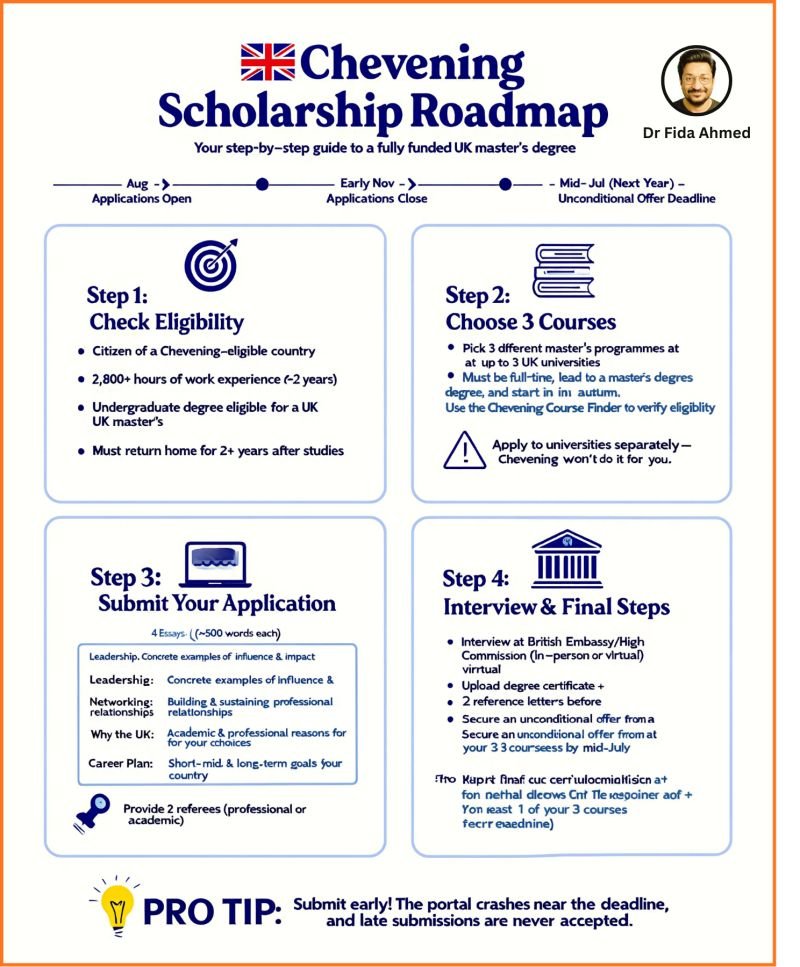
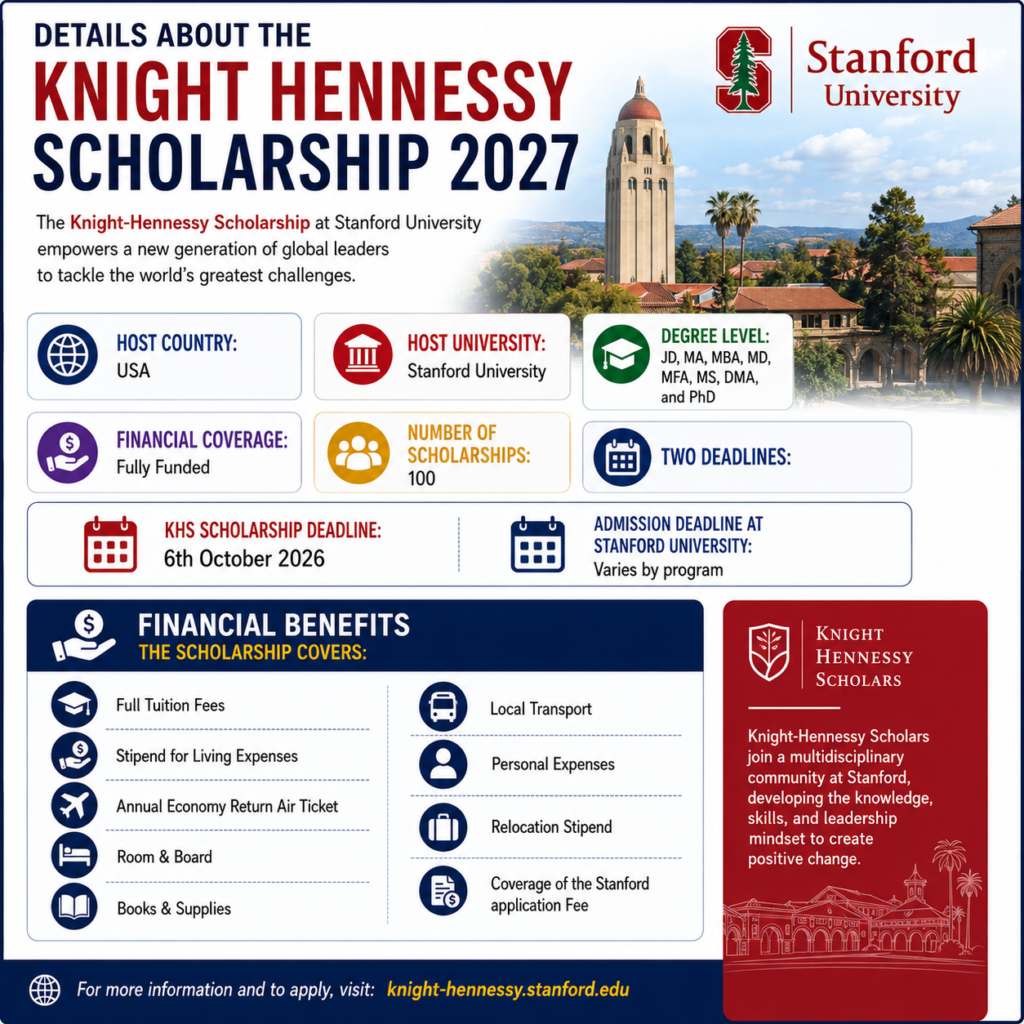
The first and most important step in writing a winning scholarship application is understanding what the people reading it are actually trying to find. Scholarship selection committees — whether they are reading Chevening applications, Fulbright files, Gates Cambridge submissions, or Australia Awards packages — are not looking for the student with the highest GPA or the longest list of academic publications. They are looking for the student who combines intellectual excellence with the character, the ambition, the leadership capacity, and the specific professional vision that makes the scholarship investment genuinely worthwhile — both for the programme and for the world the scholar will go on to influence.
Think of it from the committee’s perspective. They have a finite number of scholarship places and an enormous pool of academically excellent applicants. Every applicant has good grades. Every applicant has gone to a respectable university. Every applicant wants a fully funded education at a prestigious foreign institution. What the committee needs to identify, among this pool of uniformly excellent academic records, is the small number of applicants who are genuinely exceptional — who have already demonstrated the capacity to lead, to create impact, to think originally, and to use extraordinary educational opportunities to make an extraordinary difference.
Your application must answer, compellingly and specifically, the following questions that every committee member is asking while reading your file. Why are you the right person for this scholarship, above all the other qualified applicants? What have you already done that demonstrates the character and capacity that this scholarship is designed to support and accelerate? What exactly do you plan to study, and why is that programme at that institution the specific intellectual environment your specific academic goals require? And — most importantly — what do you intend to do with this education when it is complete, and why should anyone believe you?
Writing the Personal Statement — The Most Important Document in Your Application
The personal statement — sometimes called the statement of purpose, the personal essay, or the motivation letter — is the document that most directly answers the committee’s questions about who you are and why you deserve this scholarship. It is typically 600 to 1,000 words in length, and every one of those words must earn its place.
The fundamental mistake that most African scholarship applicants make in the personal statement is writing a narrative that is too general, too abstract, and too focused on credentials rather than on character, specific experience, and genuine intellectual substance. “I have always been passionate about public health and I believe that this scholarship will help me achieve my goal of contributing to healthcare in Nigeria” is a sentence that appears in thousands of scholarship applications and distinguishes none of them. It is vague, it is assumed, and it tells the reader nothing about who you specifically are.
What distinguishes a funded personal statement is specificity. Specific experiences that shaped your professional identity. Specific projects you worked on and specific outcomes you contributed to. Specific intellectual questions that emerged from your practice that your proposed study will address. Specific faculty members at your target institution whose work connects directly to those questions. Specific organisations or roles you intend to work with after completing your studies.
Begin your personal statement not with your academic background but with a specific, vivid moment or experience that crystallises why you are pursuing this scholarship. “In March 2022, I spent two weeks in a rural health facility in Katsina State where the only nurse serving 3,000 people was managing deliveries, running a vaccine clinic, treating malaria cases, and maintaining the facility’s medication inventory simultaneously” opens a statement about public health policy with immediate human reality and credibility. It tells the reader that your interest in the field is grounded in real experience rather than abstract aspiration, and it establishes the specific context from which your professional questions emerge.
After the opening, build your personal statement around three to four specific experiences — professional, academic, or community-based — that demonstrate your character, your intellectual capacity, and your leadership ability. For each experience, describe what you specifically did, what challenge you specifically navigated, what you specifically contributed, and what you specifically learned that connects to your proposed study. Use concrete details — names, numbers, dates, specific challenges overcome, specific outcomes produced. Generalities are forgotten. Specifics are remembered.
Writing the Research Proposal — For Doctoral and Research-Based Scholarships
For doctoral scholarships and research fellowships, the research proposal is the document that carries the most weight in the selection decision. A weak research proposal will not be saved by an excellent personal statement. A strong research proposal, submitted alongside a compelling personal statement and strong letters of reference, is the combination that wins doctoral scholarship funding.
A competitive research proposal for a doctoral scholarship must do five things clearly and convincingly. It must establish the significance of the research question — why does this question matter, academically and practically? It must demonstrate your familiarity with the existing literature — who are the key scholars who have addressed this question previously, what have they found, and where are the genuine gaps? It must articulate your specific research question with precision — what exactly will you be investigating, and what is the boundary of that inquiry? It must describe your methodology — how will you actually investigate the question, what data or evidence will you gather, and what analytical framework will you use? And it must explain why this research is best conducted at your target institution — what specific resources, faculty expertise, research infrastructure, or intellectual community make this the right place for this work?
A research proposal that is too broad — that tries to address a large general topic rather than a specific researchable question — signals intellectual immaturity. A proposal that does not demonstrate familiarity with the existing literature signals insufficient academic preparation. A proposal whose methodology is vague or unrealistic signals that the applicant has not thought carefully about the practical reality of executing the research. Each of these failures will be immediately identified by the experienced researchers who review doctoral scholarship proposals.
Develop your research proposal through sustained engagement with the academic literature in your field over several months before writing. Identify the specific question that genuinely interests you, that is genuinely significant, and that is genuinely investig able within the timeframe and resources of a doctoral programme. Find a faculty supervisor at your target institution before submitting your application — a supervisor’s endorsement of your proposal and enthusiasm for your candidacy is among the most powerful signals a doctoral scholarship application can carry.
Securing Outstanding Letters of Reference
Letters of reference are the third pillar of a competitive scholarship application, and they are the component over which you have the least direct control and the most indirect influence. The quality, specificity, and enthusiasm of your reference letters can make the difference between a funded and an unfunded application, and securing genuinely excellent letters requires thoughtful relationship-building well before the application deadline.
The most valuable scholarship reference letters share three characteristics. They are written by people who know the applicant personally and professionally — who have directly observed their intellectual ability, their work ethic, their character, and their leadership in a real professional or academic context. They are specific — they describe specific projects, specific intellectual contributions, specific leadership acts, and specific qualities of character with the detail that only genuine knowledge of the person can produce. And they are enthusiastic without being generic — they convey the referee’s genuine belief that this particular applicant is exceptional among the many students or colleagues they have worked with over their career.
To secure reference letters of this quality, you must invest in building genuine professional relationships with the people who will write them. This means working hard in environments where senior academics or professionals can directly observe your capabilities, contributing meaningfully to projects and conversations rather than being a passive participant, maintaining relationships with former supervisors and mentors after leaving their immediate professional context, and giving your referees enough advance notice — ideally eight to twelve weeks — to write a thoughtful and detailed letter without feeling rushed.
When you ask someone to write a reference letter for you, provide them with everything they need to make the letter as specific and as strong as possible. Give them your CV, your personal statement draft, the scholarship programme guidelines, and a bullet-pointed list of the specific projects, contributions, and qualities you hope they will address. This is not telling them what to write — it is giving them the information they need to write accurately and specifically about your work together. Most referees appreciate this level of support and produce better letters as a result.
Building Your Application Timeline — The Preparation That Starts a Year Ahead
The most common reason strong candidates submit weak applications is insufficient preparation time. Every component of a competitive scholarship application requires more time to develop properly than most students allocate to it, and the consequences of rushing are visible to experienced reviewers in ways that the applicant often cannot see in their own work.
Build your scholarship application timeline working backwards from the submission deadline. Most major scholarship programmes have deadlines between October and January for awards beginning the following academic year. Working backwards from a November deadline, your draft personal statement should be complete by September, your research proposal by August, your referee conversations initiated by July, your target universities researched and programme choices confirmed by June, and your preliminary literature review underway by May.
This six-month timeline feels excessive to students who are used to submitting university assignments in days or weeks. But a scholarship application is not an assignment. It is the document that could determine the entire next chapter of your professional life. The students who win fully funded scholarships to the world’s greatest universities almost universally describe their application process as one of the most intensive and formative intellectual exercises of their careers — not because the forms were complicated, but because the process of articulating specifically who they are, what they believe, what they have done, and what they intend to do forced them to think more carefully and more honestly about all of those things than they ever had before.